
Invasive Brush Removal: Multiflora Rose, Autumn Olive, Honeysuckle & Buckthorn
Multiflora rose, autumn olive, bush honeysuckle and buckthorn can swallow a field edge or a woodlot in a few seasons. We grind them down with a tracked forestry mulcher and help you plan the follow-up that keeps them down.
Invasive Brush, Start to Finish
Walk the edge of almost any old field in this part of Ohio and you will find the same four shrubs. Multiflora rose with its hooked thorns. Autumn olive with silver under the leaves. Bush honeysuckle, green before anything else in spring. Buckthorn, thick along the fence. Together they form a wall no one can walk through, and under them the ground is bare because nothing else gets light. The woods behind stop growing young oak and maple. The pasture shrinks a little more each summer.
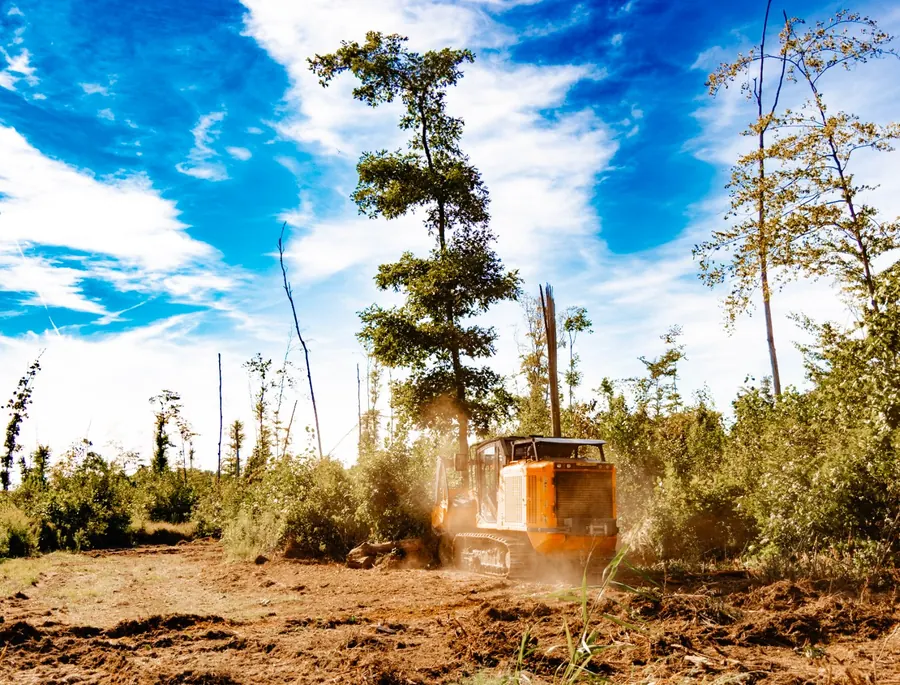
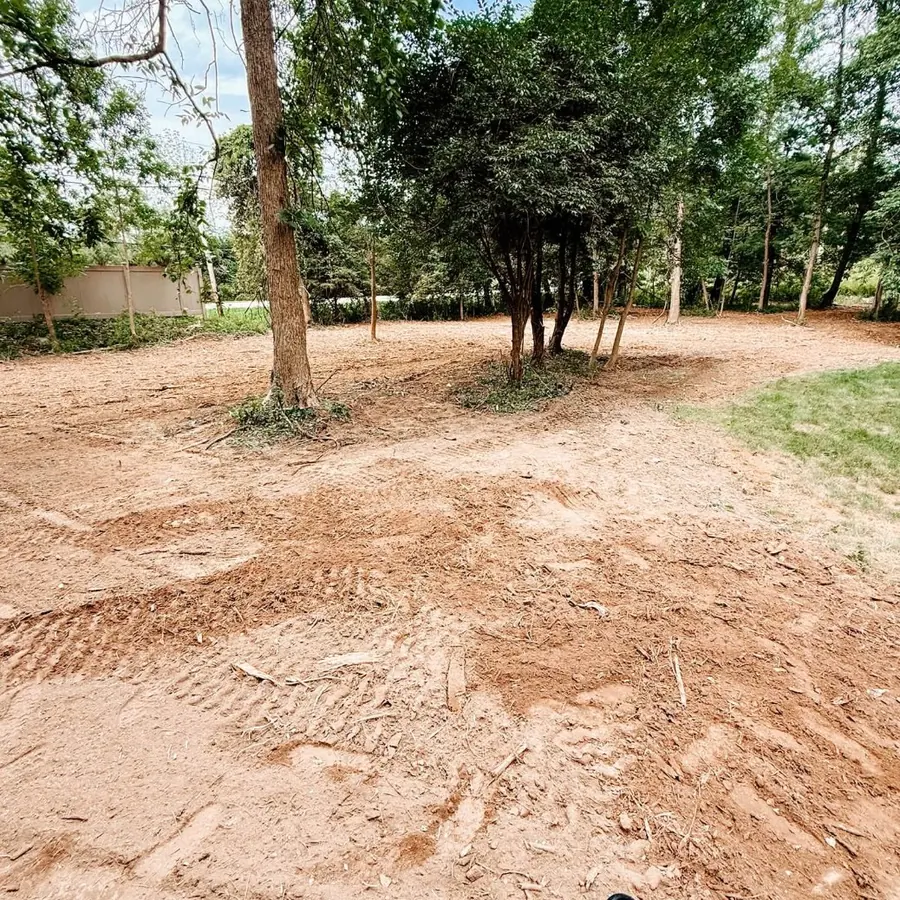
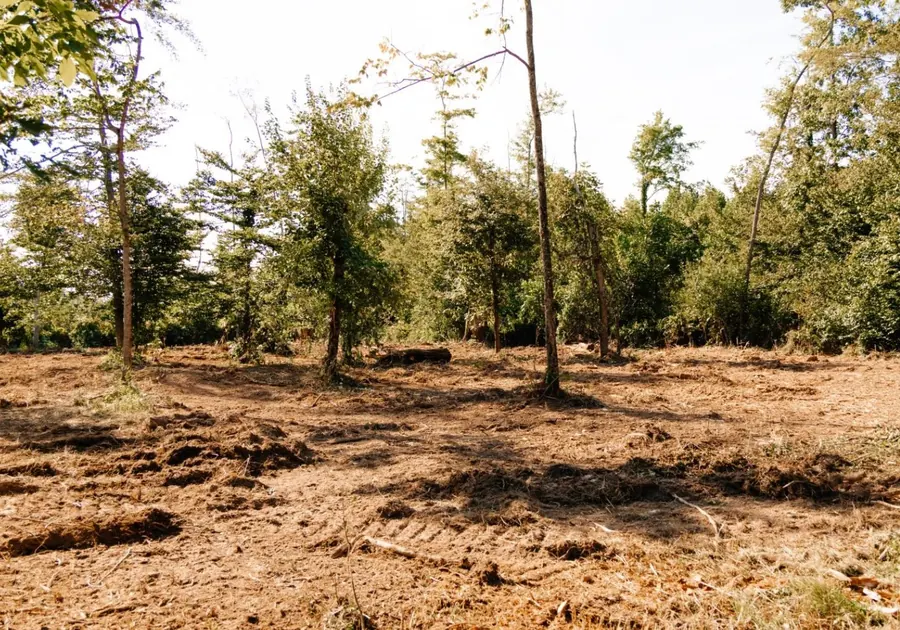
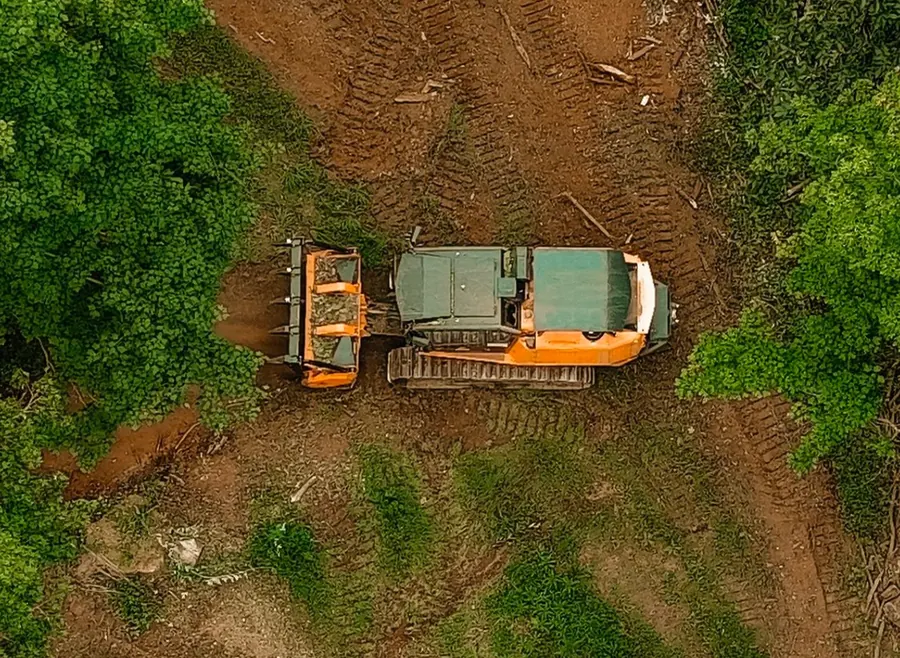
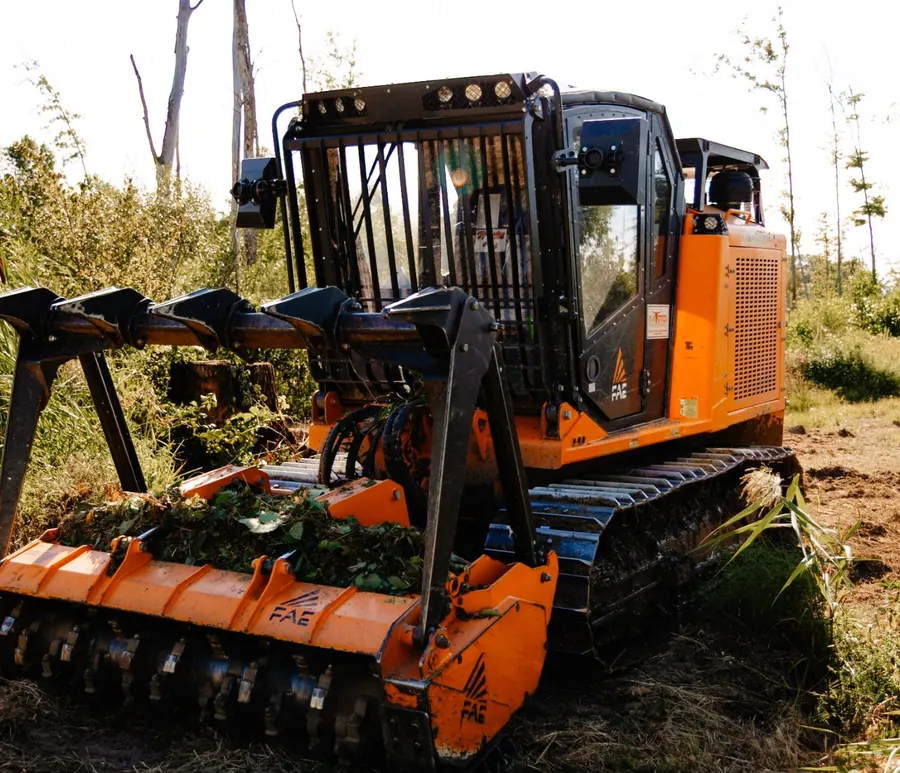
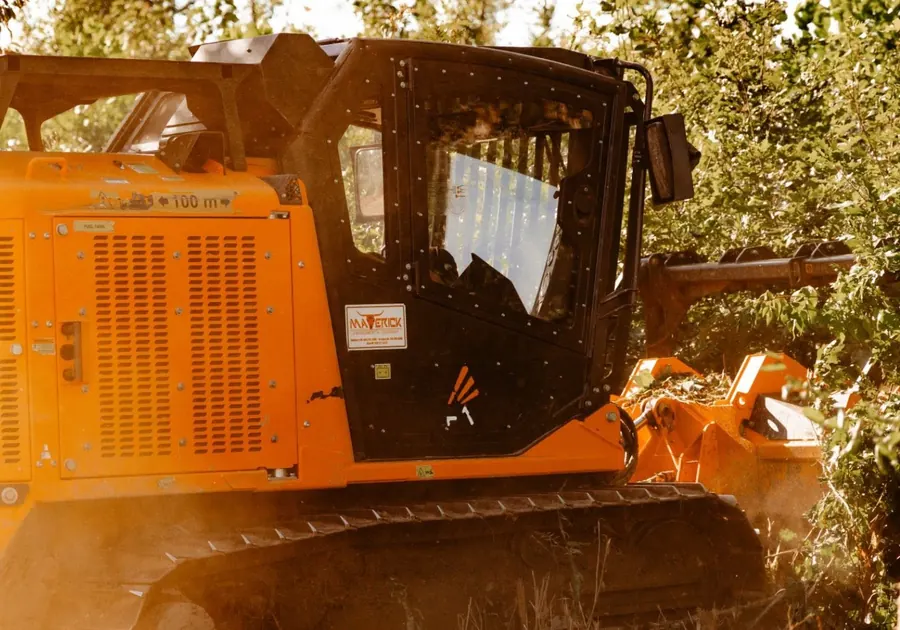
Cutting it by hand is slow, scratchy work, and you end up with a pile to deal with. Our tracked forestry mulcher takes the whole stand down where it grows. The head grinds stems, thorns and all into chips and leaves them on the ground as cover. No hauling, no burning, no brush piles. We work around the trees you want to keep, so an oak that has been buried in honeysuckle is left standing in the open.
What you get is the top growth gone, the ground opened to light, and a clear shot at the regrowth. That last part matters, and we are honest about it below. This page is one piece of our forestry mulching work. If the plants are in a fence row, see fence line clearing. For what the ground looks like later, read what happens after forestry mulching.
What We Remove
- Multiflora rose thickets ground to the crown
- Autumn olive stands in old fields
- Bush honeysuckle under woodlot trees
- Buckthorn along fence rows and edges
- Grapevine and briars mixed in
- Native trees flagged and left standing
The four shrubs that take over here
All four are on the Ohio Department of Agriculture's list of invasive plants: multiflora rose, autumn olive, the Amur, Morrow's and Tatarian honeysuckles, and European buckthorn. The Ohio Department of Natural Resources says multiflora rose is found in all 88 counties and is likely the state's most widespread invasive plant. It describes autumn olive as a shrub that reaches 20 feet and is likely present in every county, and it lists Amur honeysuckle as a shrub that also grows up to 20 feet tall, from old fields to forests. Birds eat the fruit and spread the seed, which is why these plants show up along every edge.
What mulching does and what it does not do
Mulching removes the top of the plant and opens the ground. It does not kill the roots. Ohio State University Extension says it plainly in its bush honeysuckle and autumn olive fact sheets: simply cutting the shrub off at the base causes prolific sprouting. The same fact sheets recommend a follow-up foliar herbicide when the roots begin to sprout. Mowing the sprouts is the other common route. Ask about a follow-up plan when we look at the stand. What the mulcher gives you is small, soft regrowth at knee height that is easy to reach, in place of a thicket twice your height.
Timing and a plan that sticks
Extension notes that cutting and mowing work hardest on these shrubs in early summer, when the plant's food reserves are at their lowest. It also notes that bush honeysuckle leafs out earlier in spring and holds leaves later in fall than most native trees and shrubs, so those are the easy times to see how much you have. A plan that holds usually has three parts: mulch the stand, treat or mow the sprouts the next growing season, and keep mowing the edges. Skip the follow-up and you will be calling someone again. Better to hear that before any work starts.
Invasive Brush Questions
Not seeing yours? Call (330) 625-5754 and ask Jeff.
- Forestry Mulching Cost Per Acre in Ohio: What Moves the Price
- What Is Forestry Mulching and When Is It the Right Call?
- What to Do After Forestry Mulching: Regrowth, Seeding and Upkeep
- Forestry Mulching vs Bulldozing: Which One Fits Your Land?
- How Much Land Can a Forestry Mulcher Clear in a Day?
- Is Forestry Mulching Worth It? The Downsides, Plainly
Is autumn olive invasive in Ohio?
Yes. Autumn olive is on the Ohio Department of Agriculture's invasive plant list, and the Ohio Department of Natural Resources says it is likely present in every county. It was once planted on purpose and now crowds old fields and woods edges. A forestry mulcher takes down a stand quickly. Plan on follow-up, since the stumps sprout hard after cutting.
Will multiflora rose come back after forestry mulching?
It will try. Mulching grinds the canes to the crown but the root is alive and will send up new shoots. The difference is that those shoots are short and soft. One or two mowings a season, or a herbicide treatment on the regrowth, keeps it from rebuilding. Seed in the soil will sprout too, so keep watching.
When is the best time of year to mulch bush honeysuckle and buckthorn in Ohio?
Two things set the timing: the plant and the ground. Ohio State University Extension notes that cutting works hardest on these shrubs in early summer, when their food reserves are lowest. Bush honeysuckle also leafs out early and holds its leaves late, so early spring and late fall are when it is easiest to see how much you have. The ground has to be firm enough to carry the mulcher, so dry or frozen spells are the easy windows.
What is the best way to get rid of bush honeysuckle on several acres?
On acreage, the practical order is to mulch it, then deal with the sprouts. Hand cutting works in a back yard but not across a woodlot. The mulcher clears the stand and leaves the good trees. The next growing season, the sprouts are treated or mowed. Extension is clear that cutting alone leads to heavy resprouting, so budget for the second step.
Can you remove buckthorn and leave the native trees standing?
Yes. The mulcher is steered tree by tree, so we can take the buckthorn and honeysuckle and leave oak, maple, hickory or anything else you flag. Walk it with Jeff first and mark the keepers with ribbon. Where a native sapling is tangled in the middle of a clump, it is sometimes lost with it, and Jeff will tell you where that is likely.
How a Job Runs
Talk It Through
Call or send the form. Tell us where the ground is and what you want it to look like when we leave.
We Look at the Site
Jeff walks it with you: the growth, the slope, the wet spots, the way in and out for the machines.
A Straight Plan
You get a free estimate and a plain recommendation on the approach that fits the ground.
The Work Gets Done
We bring the right machine for the job and do the work the way we said we would.
Clean and Ready
We leave the site cleaned up and ready for the next step, whatever that is for you.
Invasive Brush Near You
Based in Farmdale, in Trumbull County, Ohio. Pick your town, or call and ask if we cover it.
Forestry Mulching pages for your town
More services
Forestry Mulching
Brush and small trees ground into mulch in place. No piles, no burning, no hauling.
DetailsBrush Mulching
Thick brush, briars and saplings ground to mulch in place. No piles to deal with.
DetailsFence Line Clearing
Grown-up fence rows and property lines opened with a forestry mulcher.
DetailsNeed Invasive Brush?
Call Jeff or send a few details. Estimates are free, and you get a straight answer on what the job takes.