

Land Clearing, Mulching & Dirt Work Guides
Plain answers on what moves the cost of a job, what the rules are, and which method fits your ground. Every piece of ground is different, so Jeff looks at yours and gives you a free estimate.
What Moves the Price
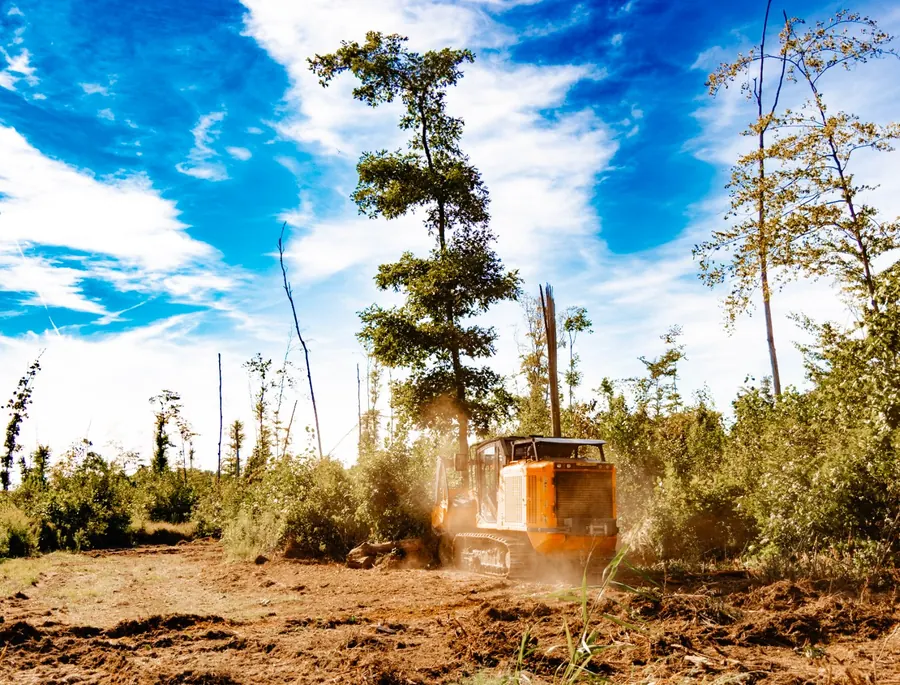
Forestry Mulching Cost Per Acre in Ohio: What Moves the Price
Forestry mulching in Ohio is priced on machine time, so the cost per acre rises and falls with how thick the growth is, how big the stems are, how the ground lies and how clean you want it left. Two acres on the same road can take very different time, so Jeff looks at yours and gives a free estimate.
Read the guide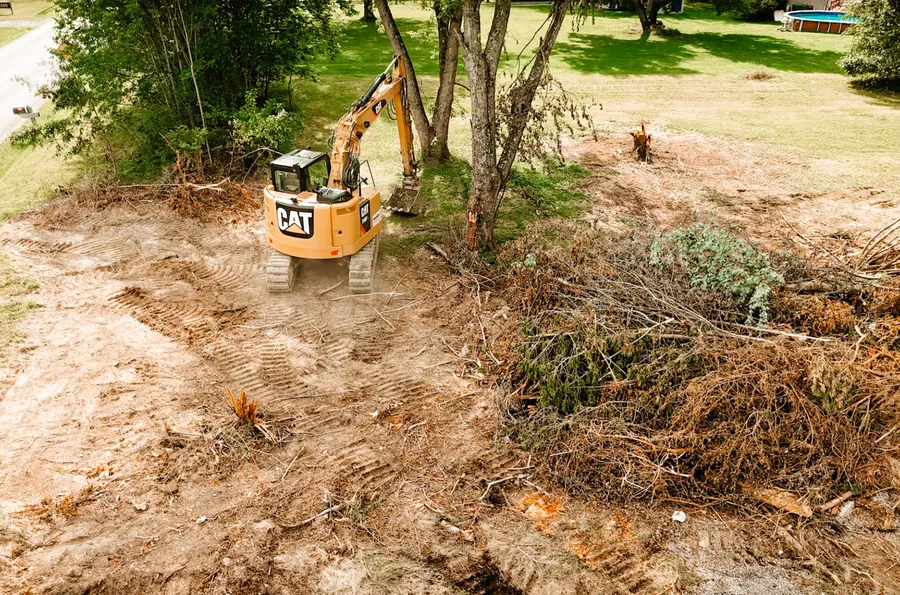
Land Clearing Cost Per Acre in Ohio & Western PA
Land clearing cost per acre in Ohio and western Pennsylvania depends mostly on the method the land needs: mulching brush in place costs far less than pulling trees and stumps and dealing with the piles. After that, the price moves with tree size and count, slope, wet ground, access and how many acres there are, which is why Jeff gives a free estimate only after he has seen the site.
Read the guide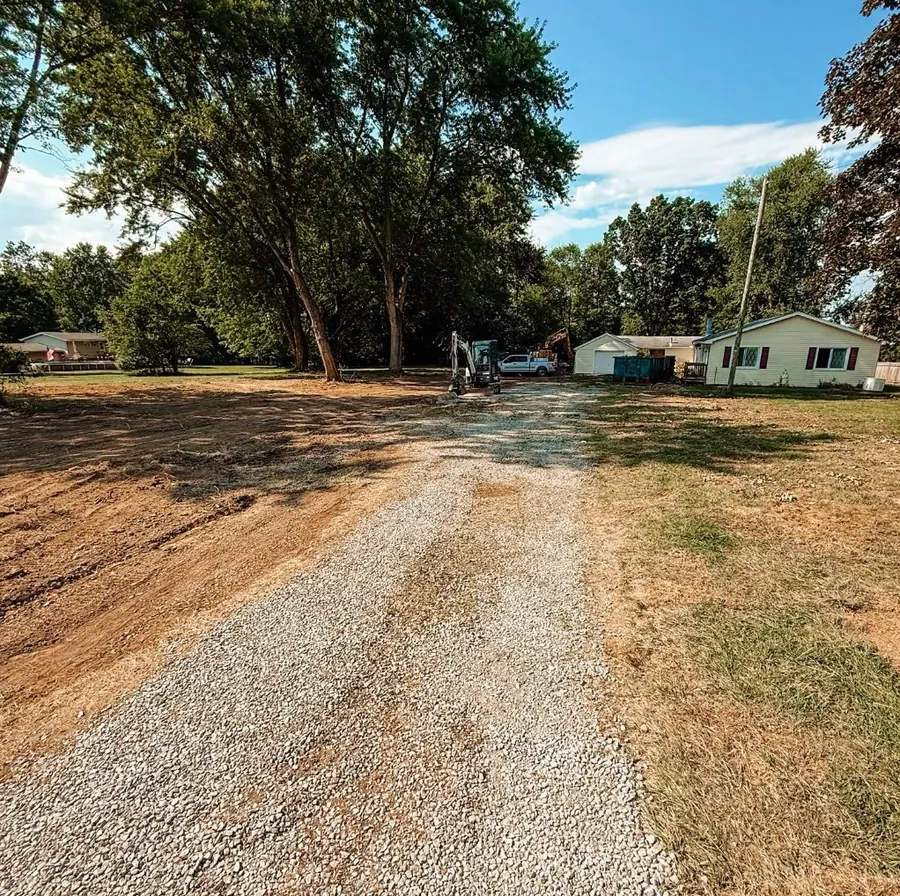
Gravel Driveway Cost in Ohio: What You Are Paying For
A gravel driveway in Ohio costs what it does because of four things: how much ground it covers, how soft that ground is, how deep the stone has to be, and how far the stone is hauled from the quarry. Culverts, clearing, slope and the shape of the lane add to that, so Jeff measures the site and gives a free estimate.
Read the guide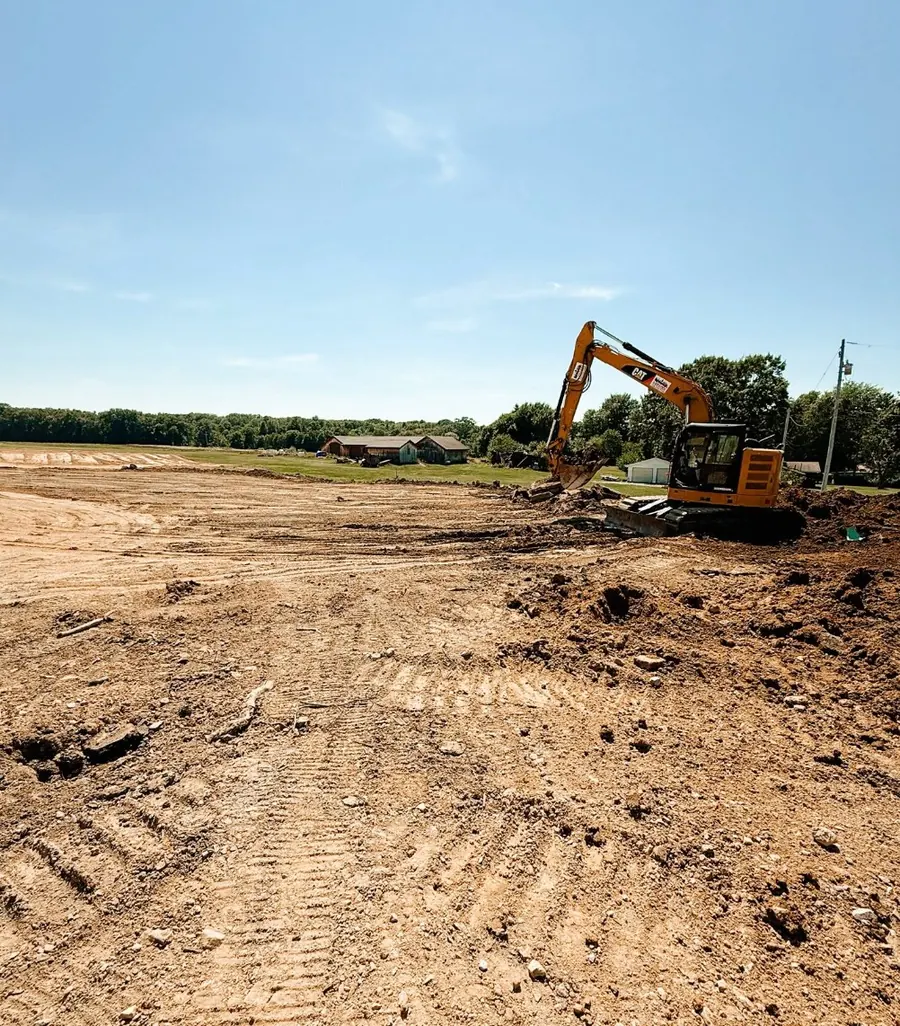
French Drain & Yard Drainage Cost: What Changes the Number
The cost of a French drain or yard drainage job comes down to how long and deep the trench is, how far the water has to be carried to an outlet, what the soil is like to dig, and how hard the spot is to reach. Sometimes regrading the yard fixes the problem for less than pipe would, so Jeff looks at the water first and prices the fix second, with a free estimate.
Read the guide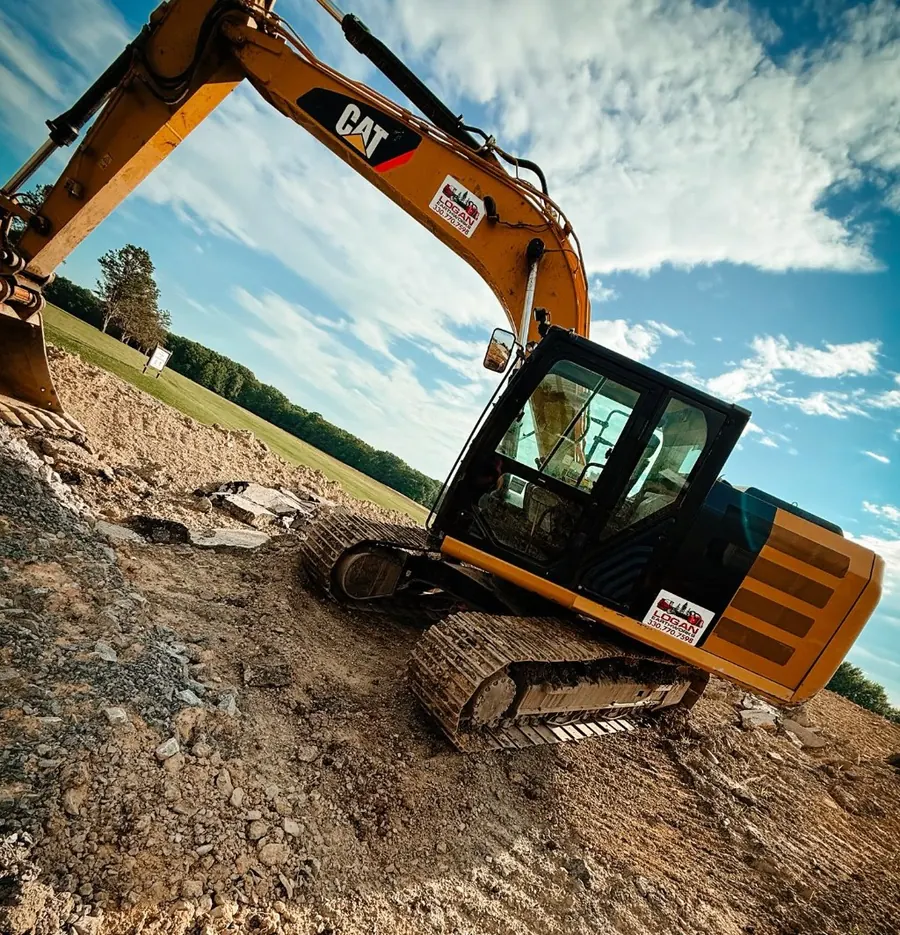
Excavation Cost in Ohio: What Drives a Quote
An excavation quote in Ohio is built from how much dirt has to move, what that dirt is made of, where it ends up and how easy the site is to reach and work in. Rock, water, tight access and trucking soil off the site push a price up, and a level, open site where the dirt stays on the property keeps it down; Jeff gives a free estimate after seeing the ground.
Read the guideMethods, Timing and Permits
How to Clear & Prepare Land for Construction
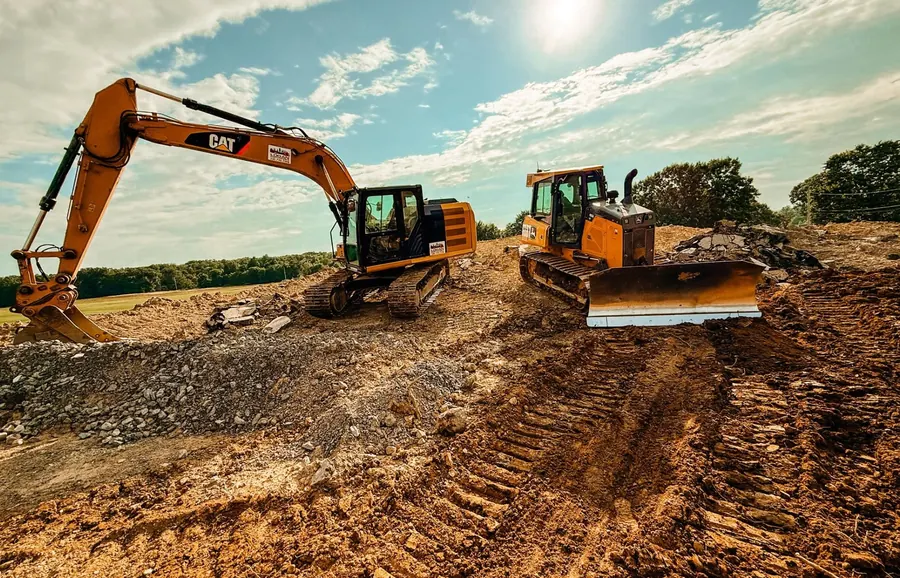
To get raw land ready to build on, you plan the layout, clear only what has to go, take the stumps and topsoil out of the building area, cut and fill to rough grade, build a compacted pad and a stone drive, and shape the ground so water runs away from all of it. Do those steps in that order and your builder starts on firm, dry ground instead of mud.
Read the guide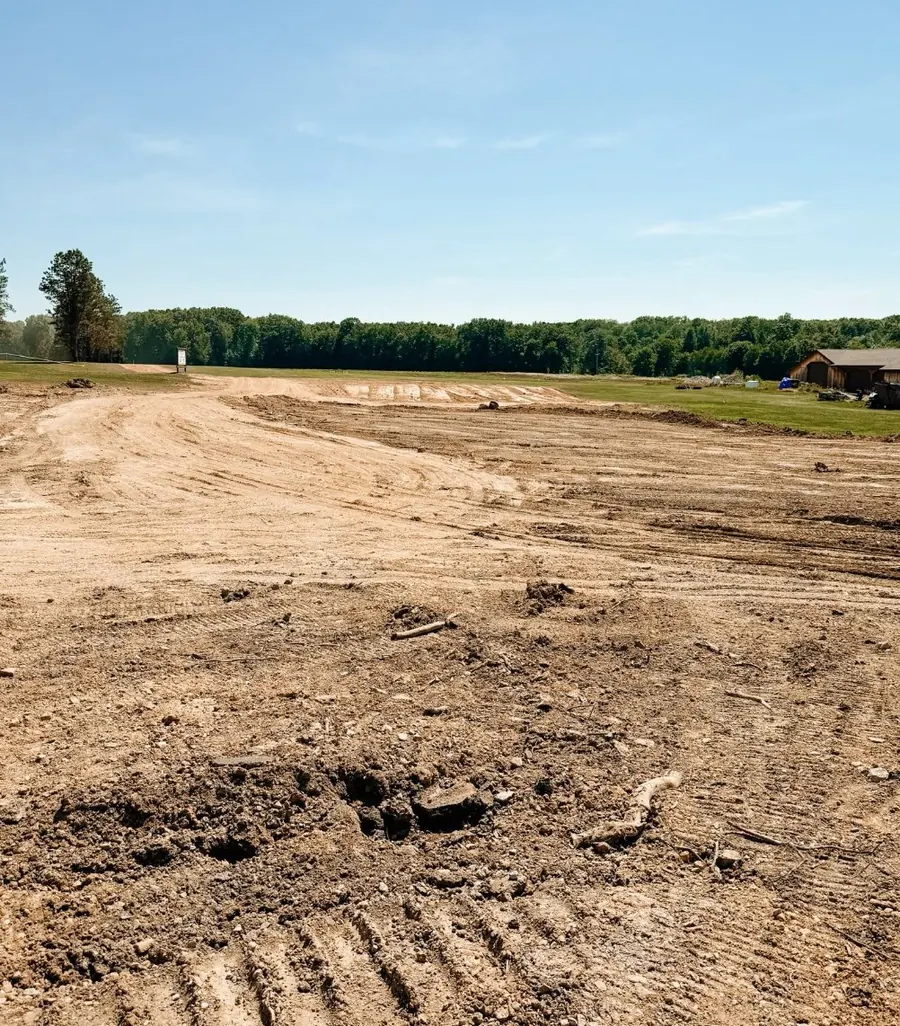
Standing Water on Your Property? Grading & Drainage Fixes
Standing water means the ground is shaped or packed so that rain has nowhere to go: a low spot, a yard with no slope, heavy clay, or runoff arriving from uphill. The fix is to give that water a path, first by reshaping the surface and then, where that is not enough, with a swale, a French drain or a culvert that carries it to a safe outlet.
Read the guide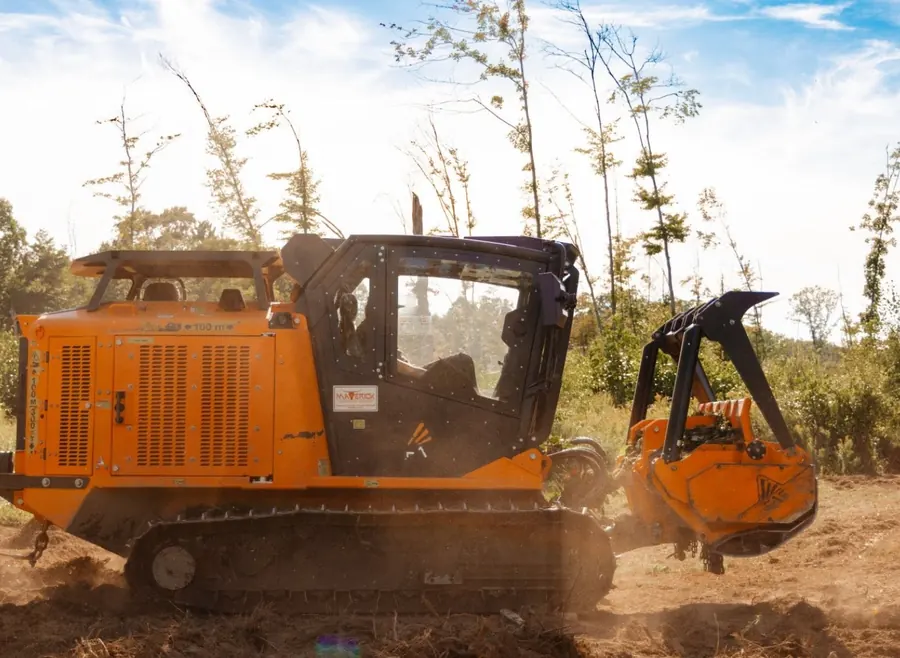
What Is Forestry Mulching and When Is It the Right Call?
Forestry mulching is clearing land with one tracked machine that cuts brush and small trees and grinds them into mulch where they stand, leaving the chips on the ground. It is the right call when you want overgrowth gone without piles, burning, hauling or torn-up soil, and the wrong call when stumps have to come out or the ground is going to be built on.
Read the guide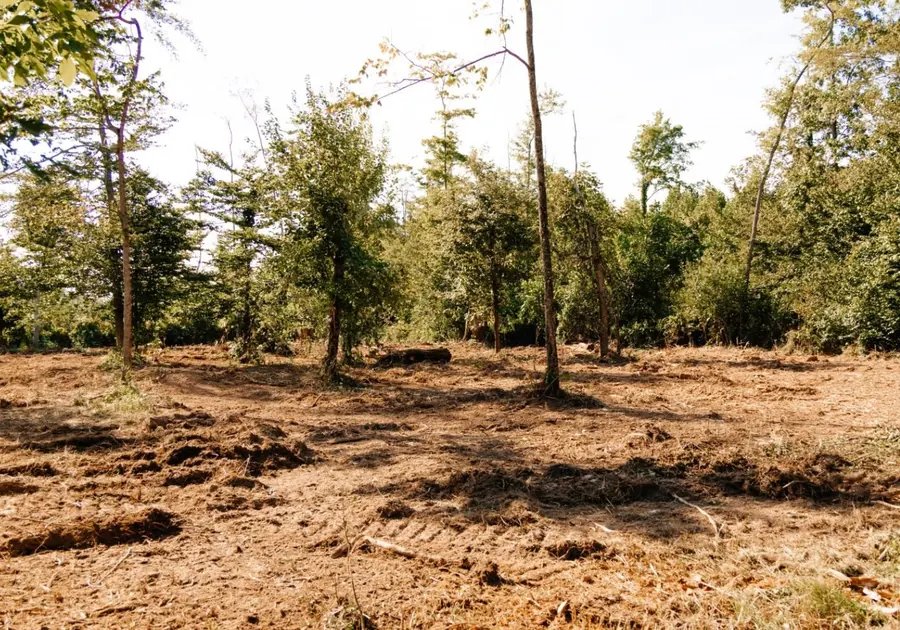
What to Do After Forestry Mulching: Regrowth, Seeding and Upkeep
After forestry mulching, leave the mulch where it lies, expect the cut brush to send up new sprouts in the next growing season, and plan to mow or treat that regrowth before it turns woody again. If you want grass or a food plot, rake back or thin the thick patches of mulch first so the seed touches soil.
Read the guide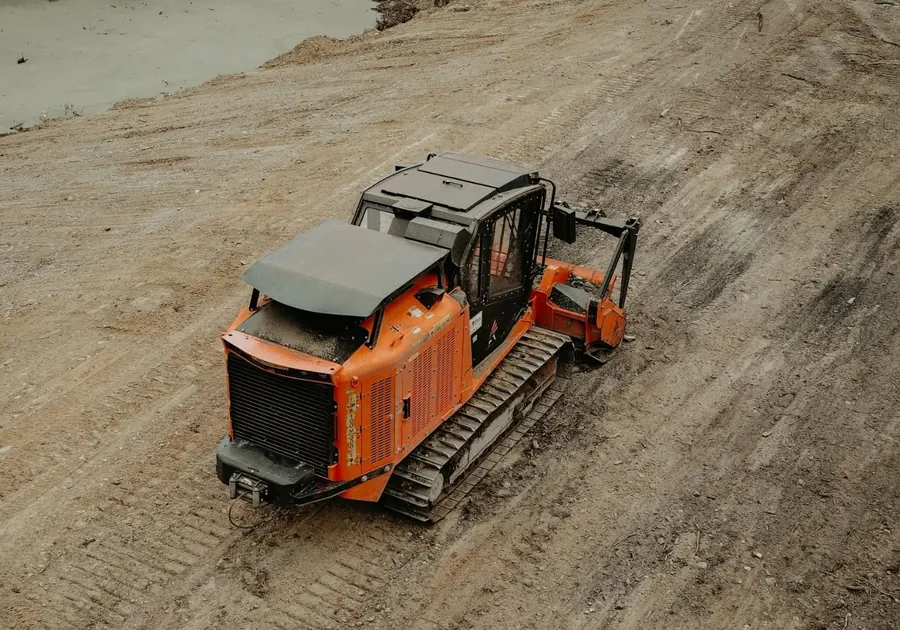
Forestry Mulching vs Bulldozing: Which One Fits Your Land?
Choose forestry mulching when you want brush and small trees gone but the soil left in place: fields, fence lines, trails, woods edges and views. Choose bulldozing or excavator clearing when the stumps and roots have to come out, which means anywhere you will build, pour a slab, lay a driveway or regrade the ground.
Read the guide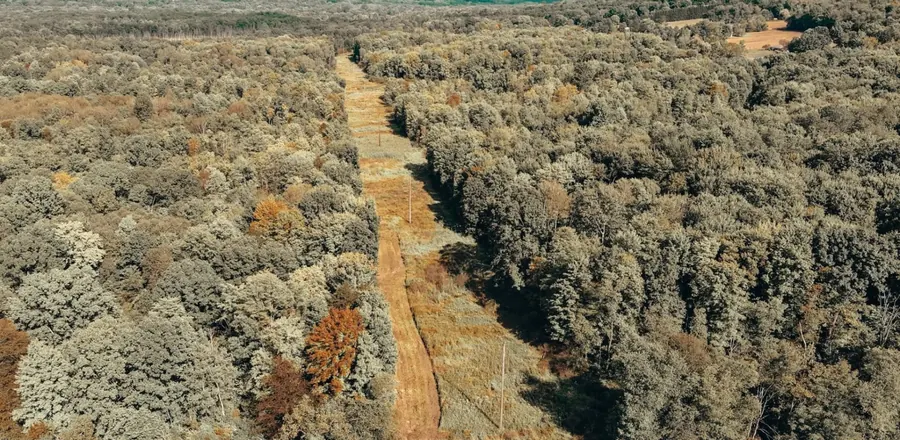
How Much Land Can a Forestry Mulcher Clear in a Day?
There is no single figure. As a general industry range, not a number for our machine, a forestry mulcher may finish well under an acre in a day in heavy growth or cover several acres in light brush. Light brush and saplings on dry, level ground go fast, while thick stands with tree-size stems, steep banks, wet clay or old fence wire can slow the same machine to a fraction of that pace.
Read the guide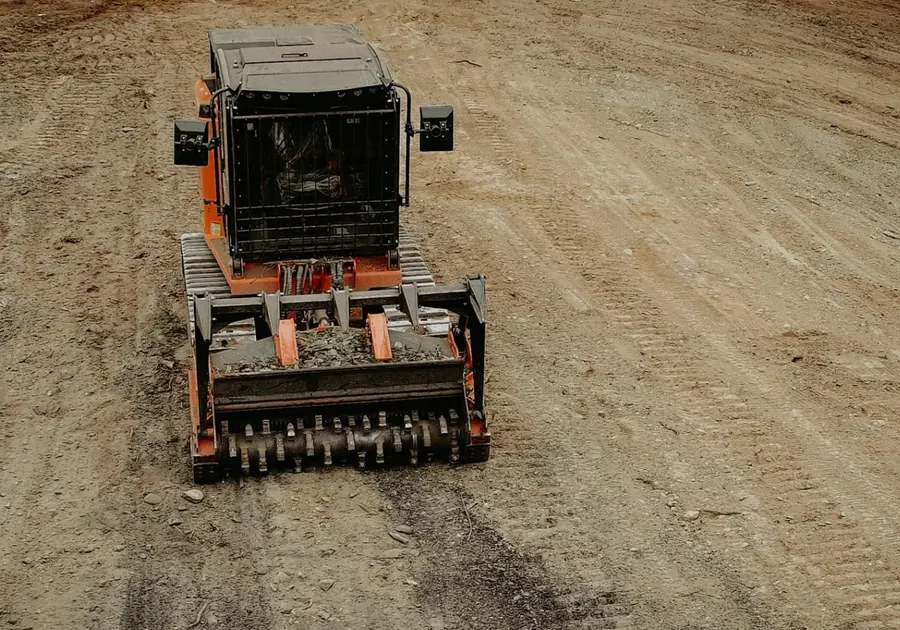
Is Forestry Mulching Worth It? The Downsides, Plainly
Forestry mulching is worth it when you want brush and small trees gone without piles, burning or torn-up soil, and you can live with the roots and low stumps staying in the ground. Its real downsides are regrowth from those roots, a mulch layer that takes time to break down, slow going on big trees, and the fact that it does not make ground ready to build on.
Read the guide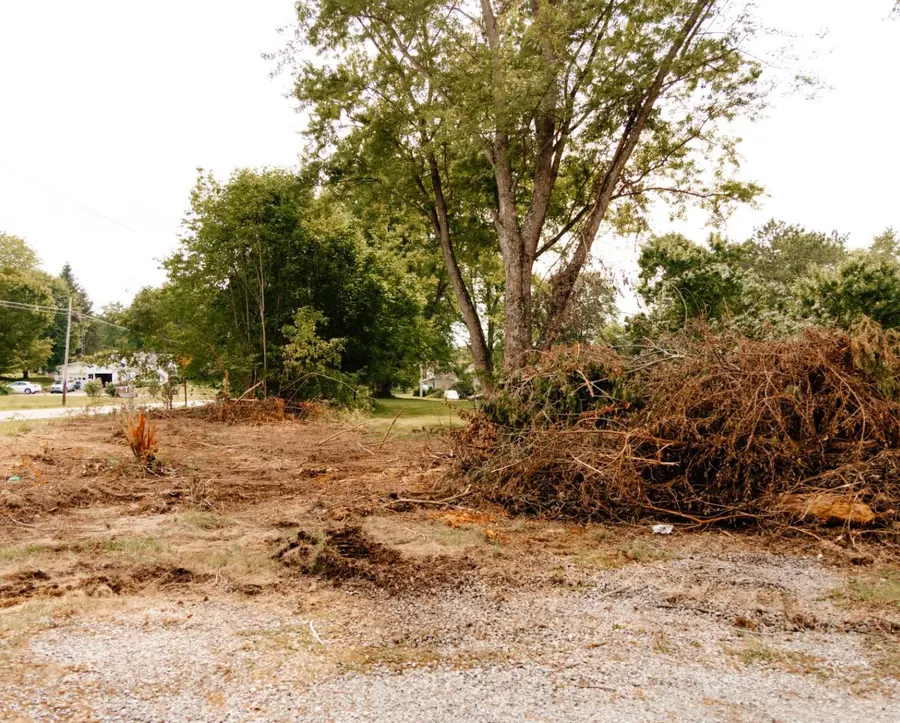
Can You Burn Brush Piles in Ohio? Open Burning Rules for Cleared Land
Sometimes, but Ohio EPA's open burning rules decide it, and they turn on where the fire is and why the brush was cut. Outside the restricted areas in and around towns, the rule allows yard and farm brush to be burned when the fire is at least 1,000 feet from a neighbor's inhabited building and the other conditions are met, while brush cleared to develop land needs written permission from Ohio EPA first and cannot be burned inside a restricted area at all.
Read the guide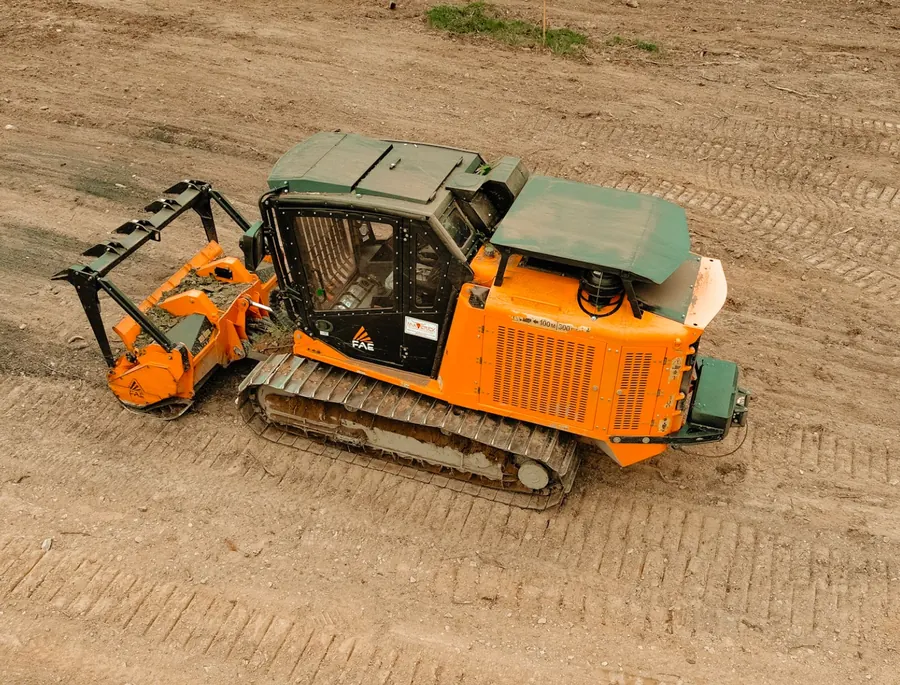
The Best Time of Year to Clear Land in Northeast Ohio
The best time to clear land in Northeast Ohio is late fall through winter, when the leaves are down, the ground is firm or frozen and machines leave the fewest ruts. Dry stretches in late summer and early fall work well too, and the season to avoid on most sites is the spring thaw, when our clay soils are soaked.
Read the guide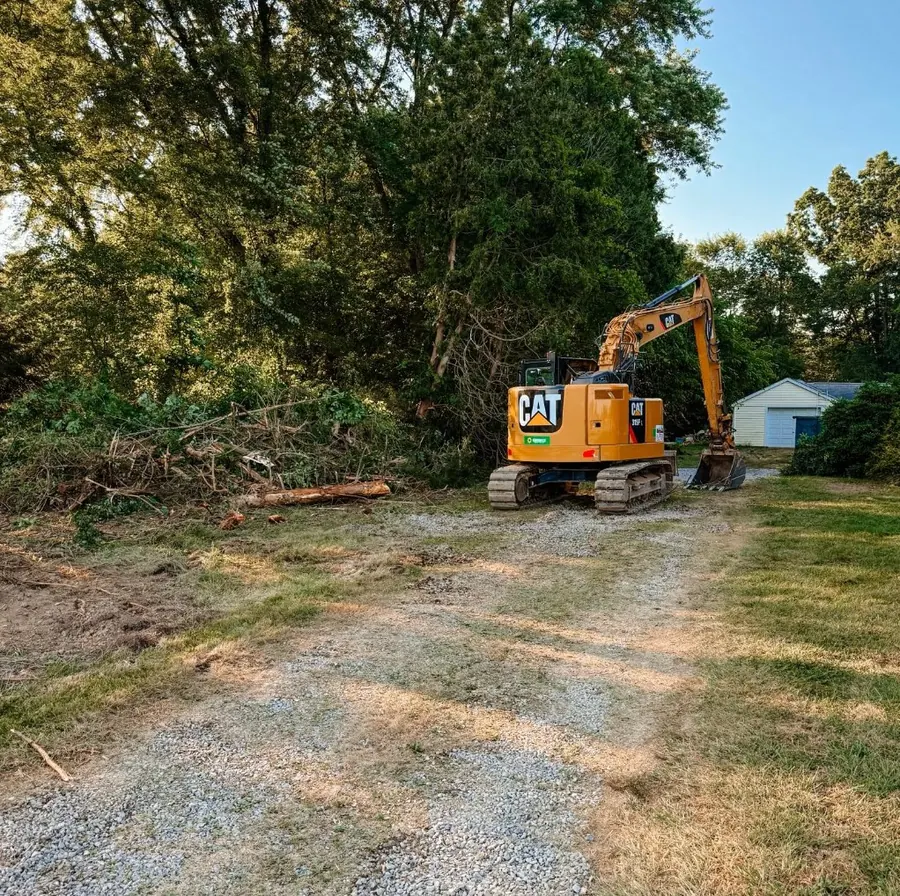
How to Build a Gravel Driveway That Lasts
A gravel driveway lasts when it is built in layers on firm ground: strip the topsoil, lay fabric over soft clay, put down a base of large angular stone, cap it with a smaller crushed stone that packs tight, and shape a crown so water runs off both sides. Skip the base or the drainage and the stone sinks into the mud within a few seasons.
Read the guide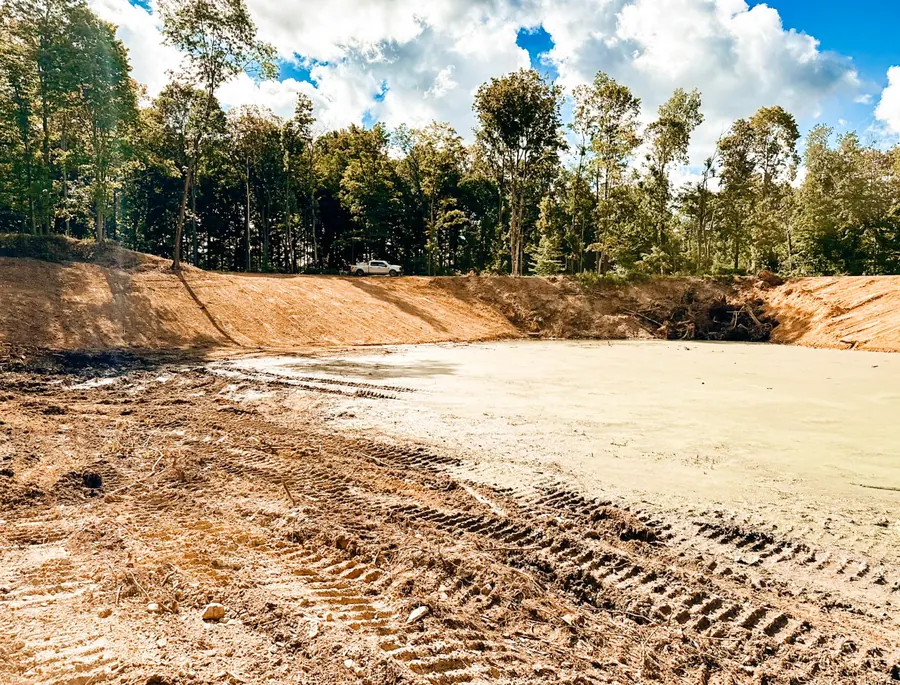
Do You Need a Permit to Dig a Pond in Ohio?
Whether you need a permit to dig a pond in Ohio depends on how the pond holds water and where it sits. A pond held back by a dam needs a construction permit from the Ohio DNR Division of Water Resources unless the dam falls within the size exemptions in state law, and wetlands, streams and local zoning can each bring their own approval, so check with your county Soil & Water Conservation District and your zoning office before any dirt moves.
Read the guideHow to Plow a Gravel Driveway Without Ruining It
To plow a gravel driveway without wrecking it, keep the blade or bucket an inch or so above the stone, leave a thin packed layer of snow as a base, push the snow well back from the edges and fix the crown and soft spots before winter. Most damage happens early in the season, before the ground freezes.
Read the guideHow to Get a Long Driveway Ready for Snow in Northeast Ohio
Get a long driveway ready for snow in the fall: mark both edges and every culvert, clear the ditches and culvert ends, fix ruts and potholes and restore the crown, cut back the brush crowding the lane, and decide where the snow will be piled. A lane prepared before the first storm is faster, cheaper and safer to keep open all winter.
Read the guideHow to Reclaim an Overgrown Field in Ohio
To reclaim an overgrown field, first find out what is growing and what you want the field to become, then cut the brush and saplings down to ground level, hit the resprouts and invasive shrubs while they are soft, and keep the field mowed, grazed or planted so it does not grow back. The first cut is the big job. The follow-up decides whether it lasts.
Read the guide
Do You Need a Permit to Dig a Pond in Pennsylvania?
In Pennsylvania, a pond needs a Dam Permit from DEP when its dam has more than 100 acres draining to it, holds water more than 15 feet deep at the dam, or stores more than 50 acre-feet. Many small farm ponds sit under all three marks, but a pond on a stream or in a wetland can still need DEP and Army Corps approval, and the digging itself falls under the state erosion and sediment control rules, so call your county conservation district before any dirt moves.
Read the guideDo You Need a Permit to Clear Land in Ohio, PA or WV?
Whether clearing land needs a permit depends on how much soil the job disturbs, whether wet ground or a stream is involved, and what happens to the brush. In Ohio, Pennsylvania and West Virginia, construction that disturbs one acre or more needs state stormwater permit coverage, Pennsylvania wants a written erosion and sediment control plan from 5,000 square feet, and wetlands, local zoning and burning rules can each add their own step.
Read the guide
Calling 811 Before You Dig in Ohio, PA and WV
Before any digging in Ohio, Pennsylvania or West Virginia, whoever does the digging has to notify the state's 811 center first: at least two working days ahead in Ohio, at least three business days ahead in Pennsylvania, and at least 48 hours ahead, not counting weekends and holidays, in West Virginia. Utilities then mark their lines, but private lines you own, like a feed to a barn or a shop, may not be marked, so point those out before the machine starts.
Read the guideDriveway and Culvert Permits in Ohio, PA and WV
The permit for a new driveway is about where it meets the road, so it comes from whoever owns that road. In Ohio that is the township on township roads, the county engineer on county roads and ODOT on state routes. In Pennsylvania it is PennDOT on state roads, through a Highway Occupancy Permit, and your municipality on local roads. In West Virginia it is the Division of Highways. Ask that office what culvert pipe it wants under the mouth of the drive before anything is dug.
Read the guideWant a Number for Your Ground?
A guide can only tell you what drives the cost. Jeff looks at the site, talks through what you want and gives you a free estimate before any work starts.