
Brush Mulching & Overgrowth Clearing
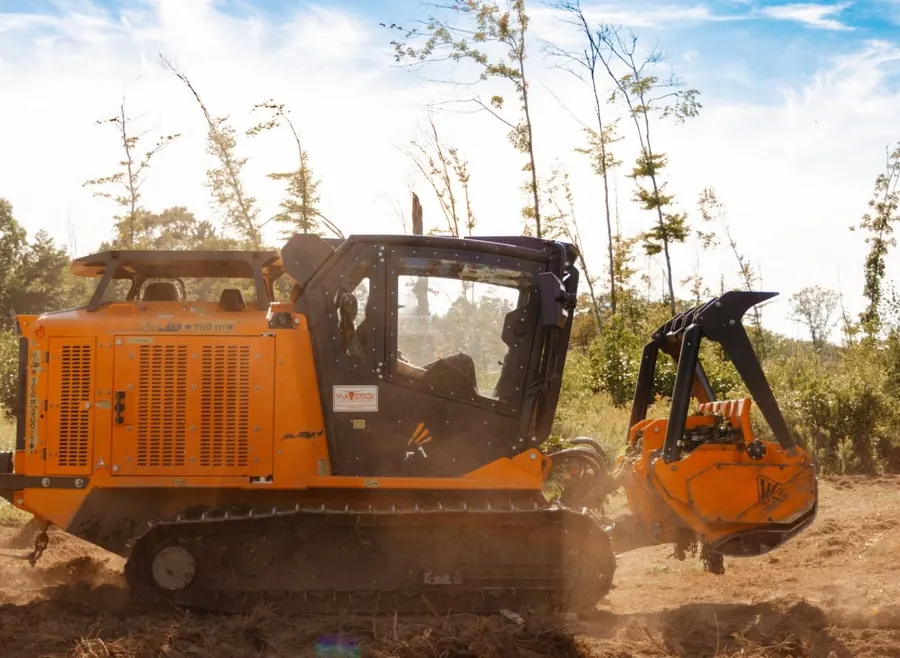
When a field or back lot has gone to briars, multiflora rose and saplings, a mower will not touch it. Our tracked forestry mulcher grinds it to chips where it stands and leaves ground you can walk across.
Brush Mulching, Start to Finish
It happens faster than anyone expects. A pasture goes unmowed for a few seasons, and the edges fill with multiflora rose and autumn olive. Then come the saplings, the grapevine and the briars, and now the tractor cannot get in at all. You can still see where the field used to be. You just cannot use it. People call this brush clearing, brush mowing, forestry mowing or underbrush clearing. Whatever the name, the ground is growing shut and you want it open.
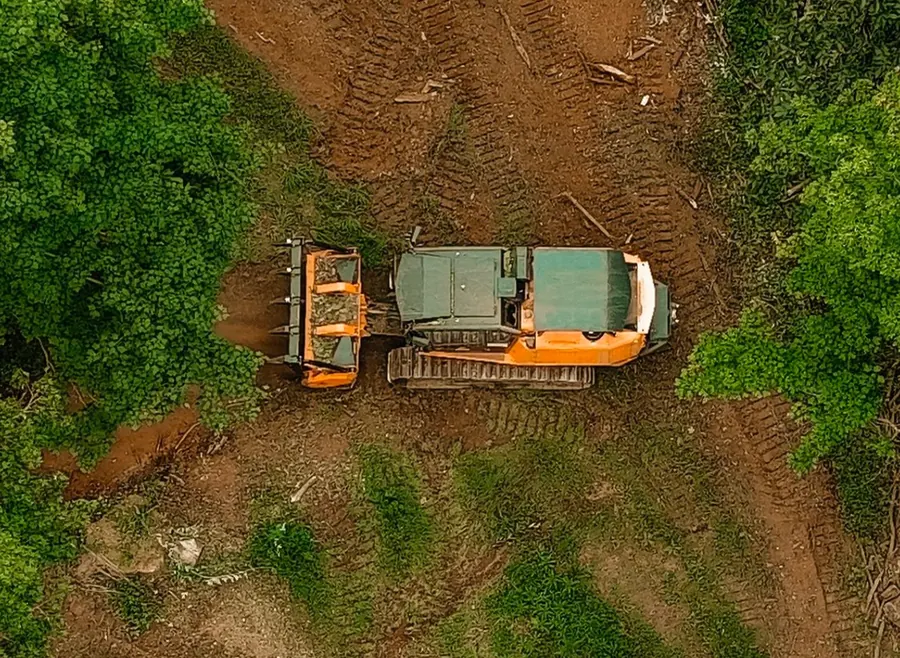
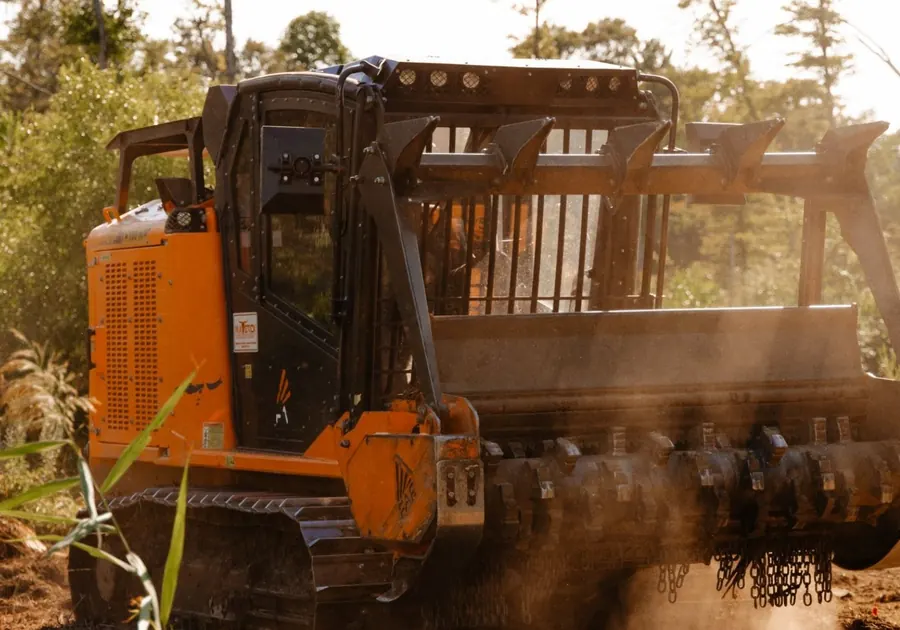
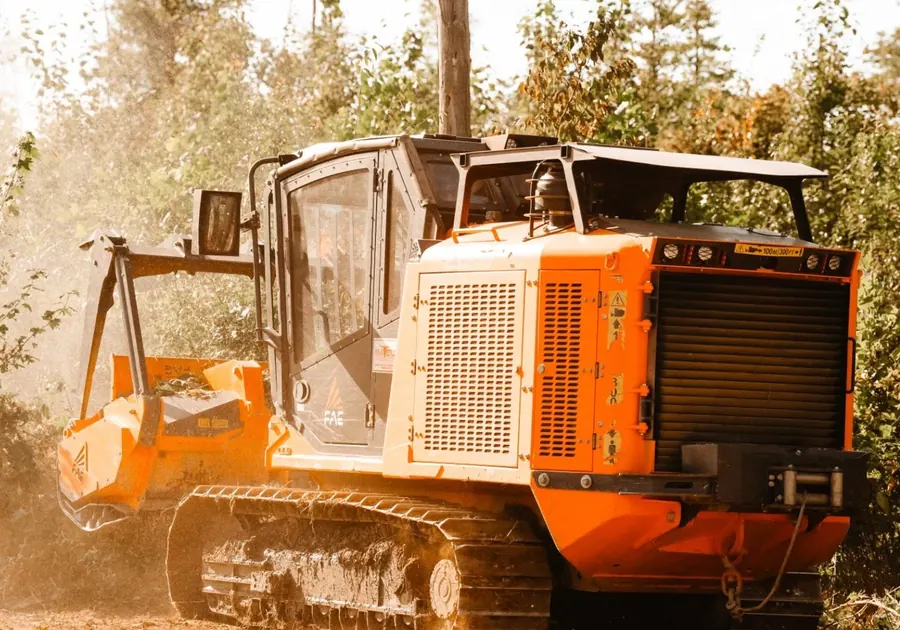
We bring a tracked forestry mulcher. It carries a mulching head with teeth on the front that cuts brush and small trees off and grinds them into chips in one pass. Nothing is dragged to a pile. Nothing is burned. Nothing leaves the property. The machine runs on tracks, so it spreads its weight and can work ground that would bog a wheeled tractor. It can mulch right up to the trees, fence or lawn you want left alone.
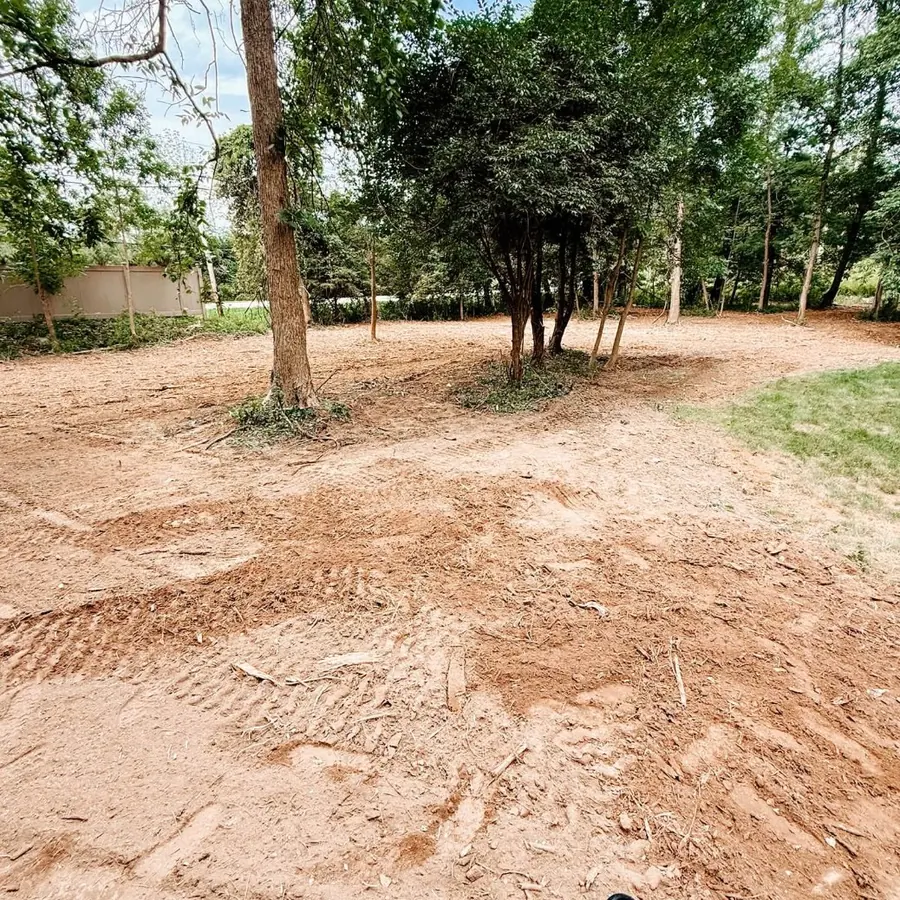
What you get back is open ground with a layer of mulch on it that protects the soil. You can walk it, see the lay of the land, and decide what comes next: pasture, lawn, a building site or just a view. This is the everyday side of our forestry mulching service. If you are new to the method, start with what forestry mulching is.
Brush We Clear With the Mulcher
- Overgrown fields and pasture edges
- Multiflora rose, briars and grapevine
- Autumn olive, honeysuckle and buckthorn
- Saplings and small trees ground flush
- Underbrush thinned beneath standing trees
- Vacant and back lots opened up
What a mulcher handles that a brush hog cannot
A brush hog is a rotary mower pulled behind a tractor. It is the right tool for tall grass, weeds and light first-year brush. It is the wrong tool once stems turn woody. It knocks saplings over and leaves sharp stubs, it cannot reach under trees, and the tractor has to drive over everything before the mower gets there. A forestry mulcher leads with the cutting head, so it chews into a wall of brush from the front and grinds saplings and small trees down to the dirt. If your field is past what a brush hog can cut, that is the work we do.
Brush mulching, forestry mowing, brush mowing: one job
Contractors use different names for the same thing. Forestry mowing, brush mowing, brush mulching and underbrush clearing all mean a machine that grinds standing growth in place. The names matter less than the questions Jeff will ask you. How thick are the biggest stems? Is the ground wet? Are there rocks, old wire, tires or scrap hiding in there? What do you want left standing? Steel and stone are hard on mulcher teeth, so tell us what you know is in the brush. A walk through with you answers most of it, and the estimate is free.
What the ground looks like after, and what grows back
Fresh mulching leaves a brown mat of chips and shredded wood with the soil still in place under it. Small stumps are ground flush or close to it. It is not a seeded lawn and it is not bare graded dirt. Roots are still alive, so expect sprouts the next growing season. Mow them once or twice a year and grass usually takes over. Leave them and the brush comes back. Our guide to what happens after forestry mulching covers the follow-up. If you want lawn or a building site, grading is the next step.
Brush Mulching Questions
Not seeing yours? Call (330) 625-5754 and ask Jeff.
- Forestry Mulching Cost Per Acre in Ohio: What Moves the Price
- What Is Forestry Mulching and When Is It the Right Call?
- What to Do After Forestry Mulching: Regrowth, Seeding and Upkeep
- Forestry Mulching vs Bulldozing: Which One Fits Your Land?
- How Much Land Can a Forestry Mulcher Clear in a Day?
- Is Forestry Mulching Worth It? The Downsides, Plainly
What is the difference between brush mulching and brush hogging?
Brush hogging is mowing with a rotary cutter behind a tractor. It handles grass, weeds and light brush. Brush mulching uses a forestry mulcher that grinds woody brush, saplings and small trees into chips at ground level. A brush hog needs ground a tractor can drive on, while a tracked mulcher works slopes, soft ground and tight woods. Once the stems turn woody, mulching is the tool. Not sure which your field needs? Send Jeff a photo and he will talk it through.
Can a forestry mulcher clear thick briars and multiflora rose?
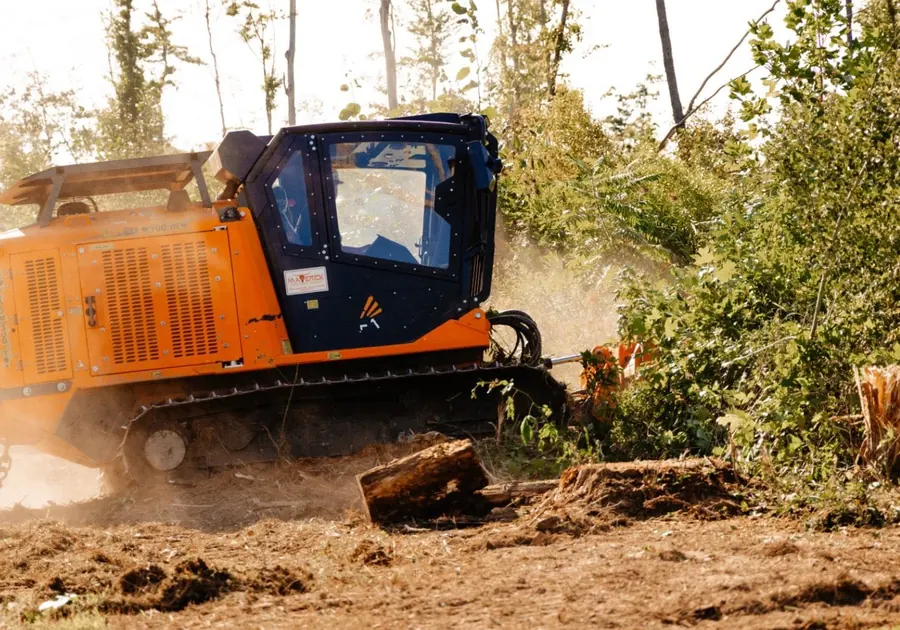
Yes. Thorny tangles are what the machine is good at. The operator sits in a closed cab and the head grinds the canes down to the crown, so no one has to wade in with a saw. Multiflora rose, blackberry briars, grapevine and autumn olive all go through it. The roots stay in the ground, so plan to mow or treat the regrowth.
What changes the price of brush clearing on an overgrown field?
How thick the growth is, how big the stems are, how many acres, how wet or steep the ground is, and how easy it is to get the machine in. Hidden rock, wire and junk slow the work. A field of waist-high brush goes far faster than a stand of saplings. Jeff looks at it and gives a free estimate. Our forestry mulching cost guide explains each factor.
Will the brush grow back after it is mulched?
Some of it will try. Mulching cuts the top off and leaves the roots, and most brush species sprout from the stump. The simple fix is to mow the regrowth while it is still soft. Once the ground is clear, a tractor and mower can handle what the mulcher could not let them reach before.
Is the ground ever too wet to mulch brush in northeast Ohio?
Yes. Tracks float better than tires, but clay ground that is soaked will still rut, and ruts are hard to fix under a layer of mulch. Late summer, fall and frozen winter ground are the easy times here. Spring can work on higher, better drained sites. Jeff will tell you after a look whether to go now or wait for it to firm up.
How a Job Runs
Talk It Through
Call or send the form. Tell us where the ground is and what you want it to look like when we leave.
We Look at the Site
Jeff walks it with you: the growth, the slope, the wet spots, the way in and out for the machines.
A Straight Plan
You get a free estimate and a plain recommendation on the approach that fits the ground.
The Work Gets Done
We bring the right machine for the job and do the work the way we said we would.
Clean and Ready
We leave the site cleaned up and ready for the next step, whatever that is for you.
Brush Mulching Near You
Based in Farmdale, in Trumbull County, Ohio. Pick your town, or call and ask if we cover it.
Forestry Mulching pages for your town
More services
Forestry Mulching
Brush and small trees ground into mulch in place. No piles, no burning, no hauling.
DetailsFence Line Clearing
Grown-up fence rows and property lines opened with a forestry mulcher.
DetailsHunting Land & Trails
Trails, shooting lanes and food plot openings cut through thick cover with a mulcher.
DetailsNeed Brush Mulching?
Call Jeff or send a few details. Estimates are free, and you get a straight answer on what the job takes.