Brush Cutting for Fields, Fence Rows & Roadsides
Brush does not stop growing because you stopped looking at it. We cut back overgrown fields, fence rows, ditch banks, frontage, pond banks and trails, then help you keep them open season after season.
Brush Cutting, Start to Finish
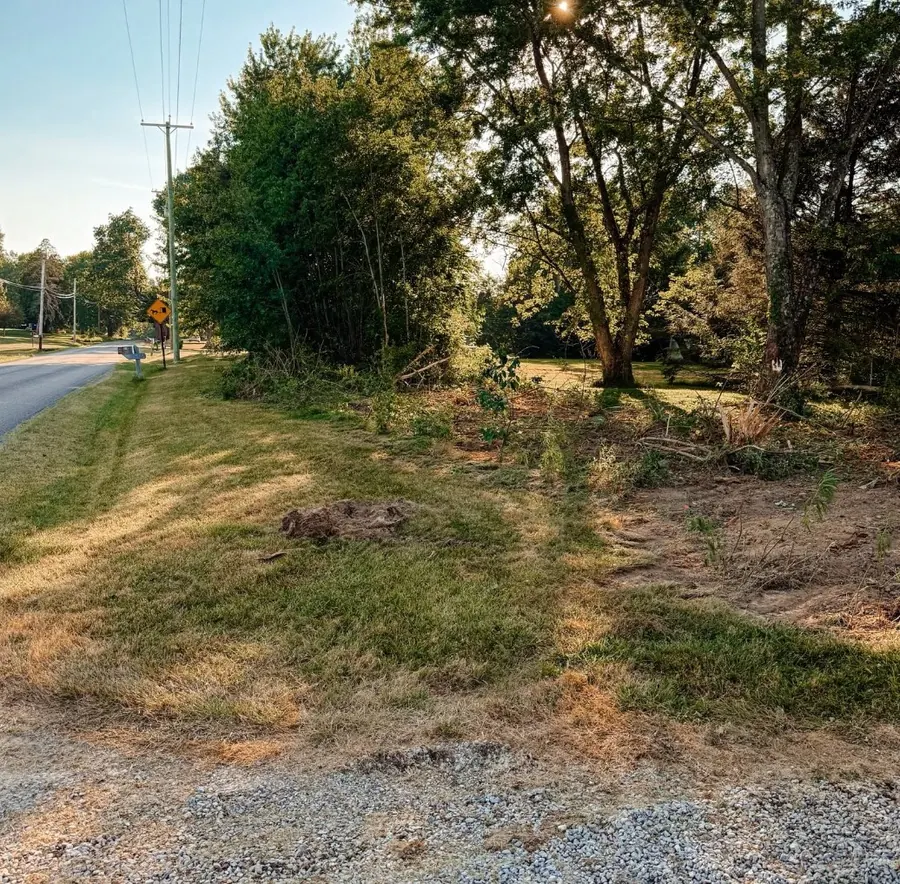
Every property has a strip that gets away from you. The fence row that was a line of posts five years ago and is now a wall of briars. The ditch bank you cannot mow because it is too steep. The road frontage where saplings lean into the mailbox and the plow truck. The back field that went from hay to goldenrod to autumn olive while nobody was cutting it. None of these need a full land clearing job. They need a good cut, done with a machine that can handle what is actually growing there.
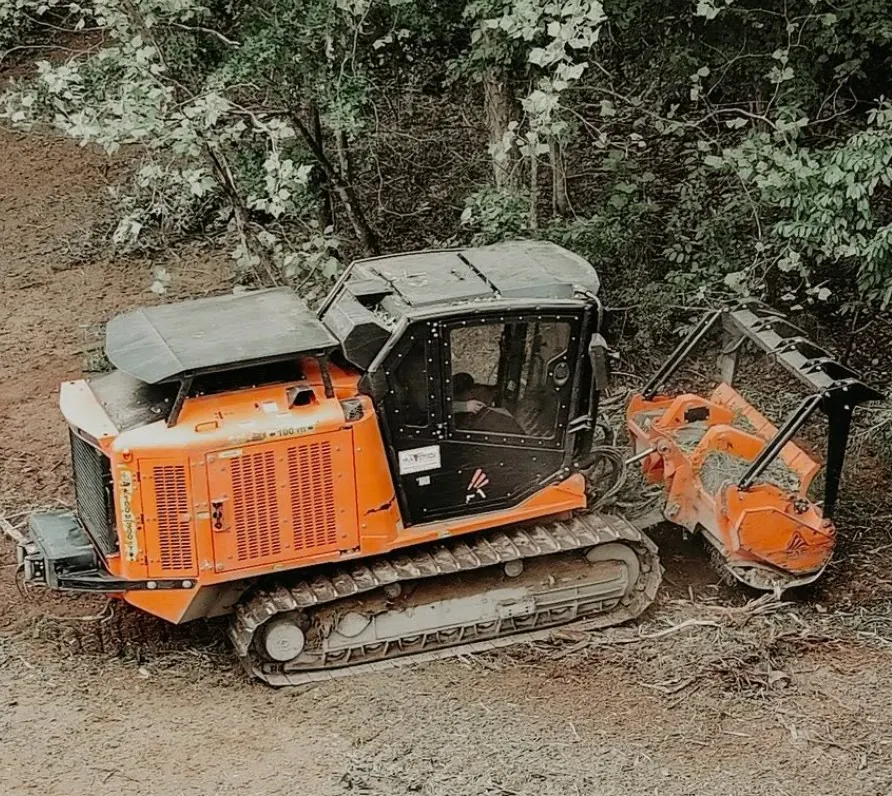
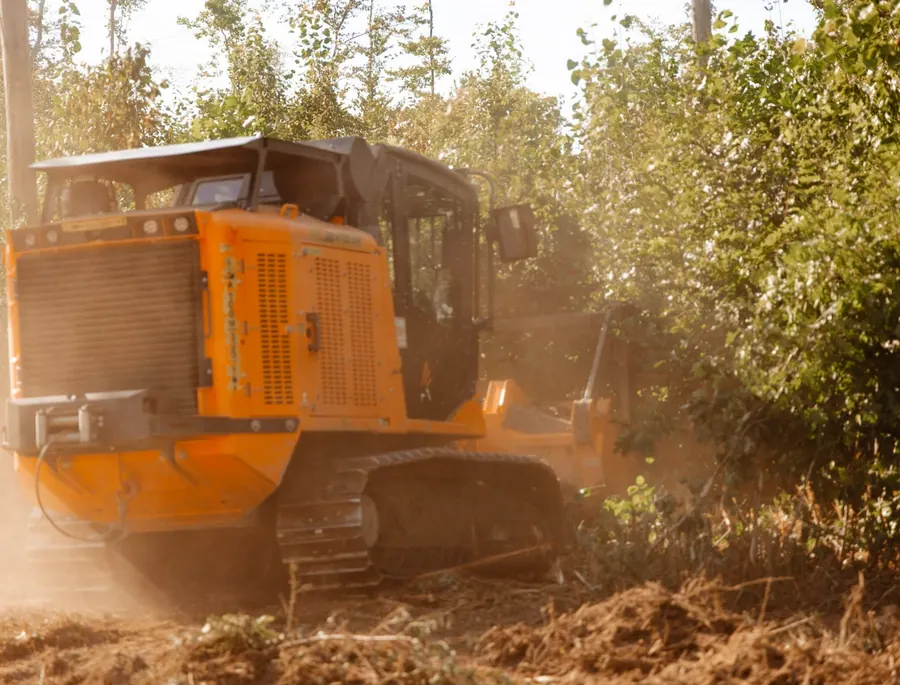
That is what brush cutting is: cutting the growth back to the ground across the areas you want open, and leaving it ready to keep up with. We size the machine to the job. Woody brush, briars and saplings go to our tracked forestry mulcher, which grinds them into chips where they stand, with no piles left behind. If all you have is tall grass and weeds that a farm mower can handle, we will tell you, because that is cheaper for you.
We are owner-operated out of Farmdale, in Trumbull County, and we cut brush across northeast Ohio and western Pennsylvania. Jeff will walk the ground with you, look at what is growing and how a machine gets to it, and give you a free estimate. Many landowners book a cut each season so the brush never gets the upper hand again. For ground that has gone fully wild, see our brush mulching page.
Where We Cut Brush
- Overgrown fields and old pasture
- Fence rows and property lines
- Ditch banks and drainage swales
- Road frontage, mailboxes and sight lines
- Pond banks and dam faces
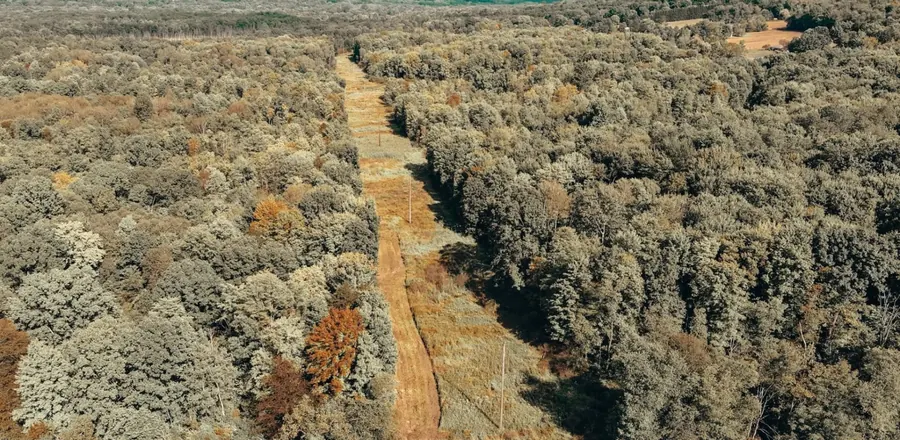
- Trails, lanes and shooting lanes
Cutting Brush Back Versus Clearing It Out
Brush cutting takes the growth down to ground level and leaves the roots in place. That is the right call for fields you want to mow or graze again, for banks where roots hold the soil and for edges you just want open and tidy. If you need the stumps out because something is being built, that is a different job: see lot clearing or land clearing. We will tell you which one your ground needs.
Ditches, Banks and Frontage
The hardest brush to keep up with grows where a mower cannot go. Ditch banks are steep and soft, pond banks drop off into water and road frontage has culverts, mailboxes and traffic. A tracked machine stays steady on slopes and wet ground and can reach in from the top of a bank. Keeping ditches and swales cut back also keeps water moving, which matters as much as how it looks. If a ditch has filled in, we can reshape it too: see drainage.
When to Cut
Brush can be cut most of the year, and each season has its trade-offs. In the growing season you can see exactly what is there and hit resprouts while they are soft. Late fall and winter, once the leaves drop and the ground firms up, are easy on soil and good for big cuts on wet ground. Plan around nesting season if wildlife on the property matters to you. Our guide to the best time to clear land in Ohio goes deeper.
Keeping It Cut
One cut rarely ends the fight. Roots left in the ground send up new shoots, and briars and invasives like multiflora rose and autumn olive come back hardest. The cheapest way to stay ahead is a cut every season or two while the regrowth is still soft, before it turns woody again. Many of our customers set up a regular cut for fence rows, frontage and trails. For the full plan on a field, read how to reclaim an overgrown field.
What is the difference between brush cutting and brush hogging?
Brush hogging is mowing with a rotary cutter pulled behind a tractor. It works on grass, weeds and light brush on ground a tractor can drive. Brush cutting with a forestry mulcher handles woody brush, briars and saplings, and a tracked machine works slopes, ditch banks and soft ground a tractor cannot.
Do you leave piles of brush behind?
No. The mulcher grinds the brush into chips where it stands, so there is nothing to haul away or burn. The chips lie on the ground and break down over time.
Can you cut brush on steep ditch banks and pond banks?
Usually, yes. A tracked machine is steady on slopes and soft ground and can reach in from the top of a bank. We look at every bank first, because some are too steep or too wet to work safely, and we will tell you if yours is one of them.
How often should brush be cut to keep it under control?
For most fence rows, frontage and trails, once a season or every other season keeps the regrowth soft and easy to cut. Let it go three or four years and the stems turn woody and the job gets bigger. Jeff can suggest a schedule when he sees the ground.
Do you cut brush outside Trumbull County?
Yes. We are based in Farmdale and cut brush across northeast Ohio and western Pennsylvania. Call (330) 625-5754 with your town and a rough idea of the area, and Jeff will tell you if it is a fit.
How a Job Runs
Talk It Through
Call or send the form. Tell us where the ground is and what you want it to look like when we leave.
We Look at the Site
Jeff walks it with you: the growth, the slope, the wet spots, the way in and out for the machines.
A Straight Plan
You get a free estimate and a plain recommendation on the approach that fits the ground.
The Work Gets Done
We bring the right machine for the job and do the work the way we said we would.
Clean and Ready
We leave the site cleaned up and ready for the next step, whatever that is for you.
Brush Cutting Near You
Based in Farmdale, in Trumbull County, Ohio. Pick your town, or call and ask if we cover it.
More services
Land Clearing
Overgrown lots, fields and wooded acreage cleared and left ready to use or build on.
DetailsLot Clearing
Wooded and overgrown lots cleared and stumped so your builder can start.
DetailsForestry Mulching
Brush and small trees ground into mulch in place. No piles, no burning, no hauling.
DetailsNeed Brush Cutting?
Call Jeff or send a few details. Estimates are free, and you get a straight answer on what the job takes.